

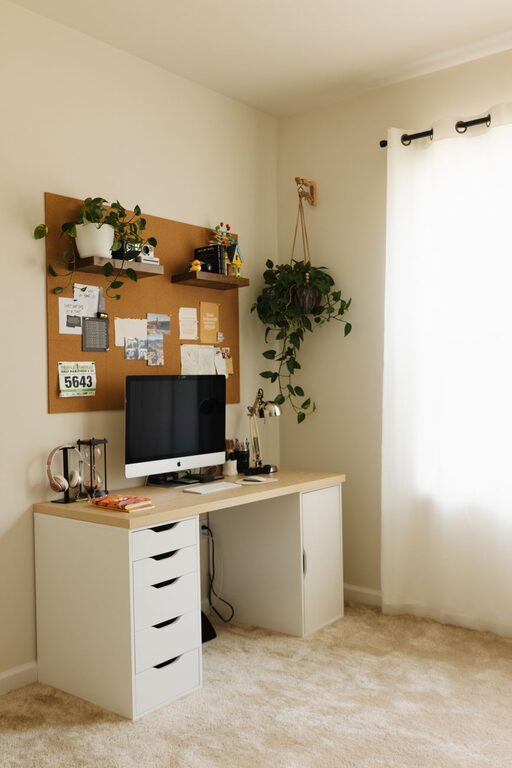
Creating a well-organized home office is key to staying productive and comfortable throughout your workday. Whether you’re working remotely full-time or occasionally catching up on tasks, a clutter-free and thoughtfully arranged workspace can make a big difference. In this post, we’ll share practical tips to help you organize your home office, improve focus, and enjoy your work environment more.
Choose the Right Spot
Start by selecting a dedicated area for your workspace. This could be a separate room, a corner in your living room, or even a section of your bedroom. The ideal location should offer:
– Good natural light: Sunlight promotes alertness and elevates mood.
– Minimal distractions: A quieter area helps improve concentration.
– Adequate space: Ensure there’s enough room for your desk, chair, and any storage you need.
If space is tight, consider using folding desks or wall-mounted shelves to maximize your area.
Invest in Ergonomic Furniture
Comfort is essential to staying productive. Investing in ergonomic furniture helps prevent discomfort and health issues caused by poor posture.
– Desk: Choose a desk with enough surface area for your laptop, monitor, and essential supplies.
– Chair: Select an adjustable chair with good lumbar support and comfortable cushioning.
– Monitor stands: Elevate screens to eye level to reduce neck strain.
Remember to arrange your furniture so that your arms rest comfortably and your feet are flat on the floor when seated.
Declutter Your Desk Regularly
A cluttered desk can be distracting and stressful. Developing simple habits to keep your workspace tidy pays off.
– Daily clean-up: Spend a few minutes at the end of each day putting away loose papers and organizing items.
– Minimal essentials: Keep only what you need on the desktop.
– Cable management: Use clips, ties, or sleeves to group and hide cords, reducing visual clutter.
Decluttering your desk helps create a calm environment where you can easily focus on your work.
Use Smart Storage Solutions
Proper storage keeps your supplies organized and easily accessible.
– Drawers and filing cabinets: Store documents, notebooks, and pens in labeled drawers.
– Shelves and baskets: Use open shelves for books and decorative baskets for miscellaneous items.
– Desk organizers: Consider trays, pen holders, and vertical file holders to keep small items orderly.
Make a habit of putting items back in their designated places after use to maintain organization over time.
Personalize Your Space Mindfully
Adding personal touches to your home office can boost comfort and motivation but avoid overdecorating to prevent distractions.
– Plants: Small indoor plants improve air quality and add a refreshing touch.
– Artwork: Hang inspiring or calming pictures within your line of sight.
– Lighting: Use desk lamps with adjustable brightness to reduce eye strain during late hours.
Keeping decor simple and functional balances aesthetics with productivity.
Optimize Lighting Conditions
Good lighting is crucial for comfort and reducing fatigue.
– Natural light: Position your desk near windows if possible, but avoid glare on screens.
– Task lighting: Use adjustable desk lamps for focused lighting during detailed work.
– Ambient lighting: Ensure your room has sufficient overall light to prevent harsh contrasts.
Experiment with different setups to find what feels best for your eyes.
Monitor and Adjust Technology Setup
Technology is central to any home office. Keeping devices efficiently arranged helps maintain workflow.
– Screen arrangement: Use a second monitor if you often multitask.
– Keyboard and mouse: Choose ergonomic options to reduce strain.
– Wireless accessories: Reduce cable clutter by opting for wireless keyboards, mice, and headphones.
Regularly clean your screens and peripherals to keep everything functioning smoothly.
Establish Zones for Different Tasks
If your space allows, segment your office into zones for various activities.
– Work zone: Your main desk area where focused tasks happen.
– Reading zone: A comfortable chair with good lighting for reviewing documents.
– Storage zone: Cabinets or shelves for keeping supplies organized.
Designating areas for specific purposes helps keep activities organized and limits mess.
Maintain Your Organized Space
The best organization system works only if you maintain it consistently.
– Weekly reviews: Set aside time each week to tidy and reorganize.
– Purge unneeded items: Regularly remove papers, supplies, or equipment you no longer use.
– Adapt as needed: Adjust your setup to fit new work habits or changing needs.
An ongoing commitment to upkeep preserves your office as a productive and inviting place.
—
By following these tips, your home office can become a comfortable and efficient workspace that supports your best work. A few smart adjustments to your setup will pay off in boosted productivity and increased comfort every day. Happy organizing!