

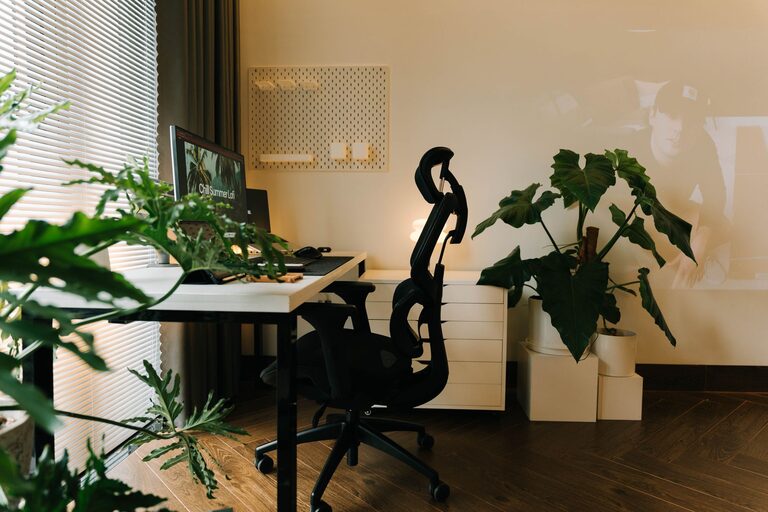
Creating a home office that balances comfort and productivity can transform your work-from-home experience. Whether you have a dedicated room or a small corner, designing a space that feels cozy and encourages focus is essential. Here are some helpful tips to inspire your setup.
Choose the Right Location
The first step is selecting an ideal spot for your home office. Ideally, this should be a quiet area away from distractions like TV or high traffic zones. If possible, use a room with a door to separate work from home life. However, if space is limited, a well-defined corner with room dividers or screens can work just as well.
Invest in Comfortable and Supportive Furniture
A cozy and productive workspace includes furniture that supports your well-being:
– Ergonomic Chair: Choose one with adjustable height, lumbar support, and cushioning to maintain comfort during long hours.
– Desk: Opt for a desk with enough surface area for your computer, documents, and any other tools you use.
– Footrest: If your feet don’t rest comfortably on the floor, a footrest can improve posture and reduce fatigue.
Optimize Lighting
Good lighting is vital for reducing eye strain and boosting mood:
– Natural Light: Place your desk near a window to take advantage of daylight. Natural light helps reduce fatigue and creates an inviting atmosphere.
– Task Lighting: Include a desk lamp with adjustable brightness to focus light where you need it, especially for reading or detailed work.
– Avoid Glare: Position screens perpendicular to windows and light sources to minimize glare.
Keep the Space Organized
A clutter-free environment helps maintain focus and efficiency:
– Storage Solutions: Use shelves, filing cabinets, or storage bins to keep important documents and supplies neat.
– Cable Management: Organize cords using clips, boxes, or sleeves to prevent tangling and keep your desk tidy.
– Daily Reset: Spend a few minutes at the end of each day tidying your workspace so it’s ready for the next day.
Personalize Your Workspace
Adding personal touches makes your office a pleasant and welcoming place:
– Decor: Include artwork, plants, or photos that make you feel happy and relaxed.
– Colors: Soft, muted colors often promote calmness, while brighter accents can boost energy.
– Comfort Items: A cozy throw blanket or a cushion can add warmth and comfort.
Minimize Distractions
Your home office should encourage concentration:
– Noise Control: Use noise-canceling headphones or a white noise machine to block out disruptive sounds.
– Designated Work Hours: Communicate your schedule with others in your household to minimize interruptions.
– Digital Discipline: Turn off non-essential notifications and consider apps that limit distractions on your devices.
Incorporate Ergonomic Practices
Beyond furniture, following ergonomic principles supports your health:
– Screen Height: Position your monitor so the top of the screen is at eye level to reduce neck strain.
– Proper Sitting Posture: Sit with your back straight, shoulders relaxed, and feet flat on the floor.
– Take Breaks: Stand, stretch, or walk around every hour to promote circulation and reduce stiffness.
Add Functional Technology
Equip your office with tools that enhance productivity:
– Reliable Internet Connection: Ensure your Wi-Fi speed supports video calls and large file downloads.
– Quality Headset and Webcam: Clear audio and video improve communication during virtual meetings.
– Backup Storage: Use cloud services or external drives to keep your work safe.
Create Zones if Space Allows
If your home office is larger, consider dividing it into zones for different tasks:
– Focus Zone: A quiet area for deep work.
– Creative Zone: A space with whiteboards, inspiration boards, or brainstorming materials.
– Relaxation Zone: A small corner with a comfy chair for breaks or casual reading.
Maintain Work-Life Boundaries
To avoid burnout, clearly separate your work area from leisure activities:
– End-of-Day Ritual: Develop a routine to “close” your office, such as shutting down your computer and putting away work materials.
– Avoid Work in Bed or Couch: Reserve these spaces for rest and relaxation to maintain a healthy balance.
—
Creating a cozy and productive home office doesn’t require a complete renovation. Thoughtful choices in furniture, lighting, organization, and personalization can make your workspace inviting and efficient. Remember, your office should support both your comfort and productivity so you can enjoy working from home. Take one step at a time, and soon you’ll have a space that inspires you every day.