

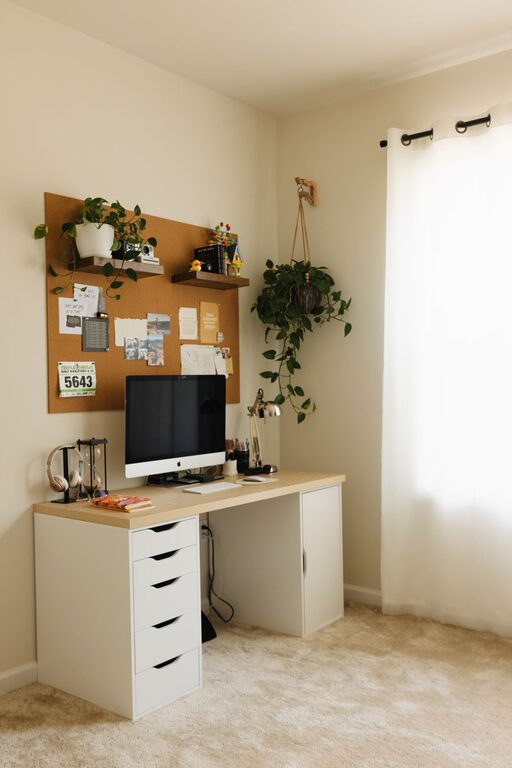
Creating a cozy and productive home office space has become essential for many people who work from home. Whether you’re freelancing, running a small business, or handling remote work, your workspace can significantly impact your focus, efficiency, and overall well-being. Here are some helpful tips to design a home office that feels inviting and supports your productivity.
1. Choose the Right Location
The first step in creating an effective home office is selecting the best spot in your home. Ideally, choose a quiet area with minimal distractions. If possible, find a space with natural light—near a window or in a sunlit room—as natural light can improve mood and reduce eye strain.
If you don’t have a dedicated room available, consider a corner of a living room or bedroom. Use room dividers or shelving units to create a visual separation between your office and living space.
2. Invest in Comfortable and Ergonomic Furniture
Comfort is key in a home office, especially if you spend many hours at your desk. Invest in an ergonomic chair that provides good back support. When your seating is comfortable, you are less likely to experience fatigue or discomfort during your workday.
Choose a desk that fits your space and work style. Make sure it’s the right height for you to maintain good posture. Adjustable desks are great if you want to alternate between sitting and standing throughout the day.
3. Optimize Lighting
Good lighting enhances focus and reduces eye strain. Besides natural light, add a combination of task and ambient lighting.
– Use a desk lamp with adjustable brightness for focused tasks like reading or writing.
– Soft overhead lighting keeps the room evenly lit without being harsh.
– Avoid glare on your computer screen by positioning lamps carefully.
Light-colored walls and reflective surfaces can also help brighten the space.
4. Declutter and Organize
A cluttered desk can cause distractions and reduce productivity. Keep your workspace tidy by organizing essentials neatly.
– Use storage containers, shelves, or filing cabinets to store supplies and documents.
– Utilize drawer organizers for smaller items like pens, paper clips, or chargers.
– Keep only frequently used items on your desk to avoid unnecessary clutter.
Regularly declutter to maintain an inviting and functional environment.
5. Personalize Your Space
Making your home office feel cozy involves personal touches that inspire comfort and creativity.
– Add plants to bring life and fresh air into the room. Even small succulents can make a difference.
– Hang artwork or photos that motivate and calm you.
– Use a soft rug or cushions to add texture and warmth.
– Choose color schemes that suit your mood; for example, blues and greens are calming, while yellows can boost creativity.
6. Manage Noise Effectively
Noise can be a significant distraction when working from home. Explore ways to reduce unwanted sounds or make them less disruptive.
– Use noise-cancelling headphones if ambient noise is unavoidable.
– Consider a white noise machine or calming background music to help focus.
– Add curtains, rugs, or upholstered furniture to absorb sound and reduce echo.
If you share your living space, establish boundaries with family or roommates to minimize interruptions.
7. Ensure Proper Technology Setup
Having reliable technology boosts productivity and reduces stress.
– Use a good quality monitor, keyboard, and mouse to improve comfort and efficiency.
– Keep cables organized with clips or a cable management box.
– Ensure your Wi-Fi connection is stable and consider upgrading equipment if necessary.
– Have a charging station to keep devices powered and ready.
Make sure all your software and hardware meet your work requirements to avoid technical disruptions.
8. Incorporate Break and Movement Areas
Even in a small space, try to include an area where you can step away from your desk.
– A comfortable chair or small sofa for reading or taking breaks helps you recharge.
– Include space for simple stretches or movement to reduce stiffness.
– Taking short breaks away from the screen boosts focus when you return.
9. Maintain a Routine and Keep It Organized
Once your space is ready, maintain productivity by sticking to a daily work routine. Keep your desk organized at the start and end of the day, plan tasks with to-do lists, and set goals to stay on track.
—
Creating a cozy and productive home office doesn’t have to be difficult. By focusing on comfort, organization, lighting, and personal touches, you can build a workspace that motivates and supports your best work. Small changes can make a big difference in how you feel and perform each day.